
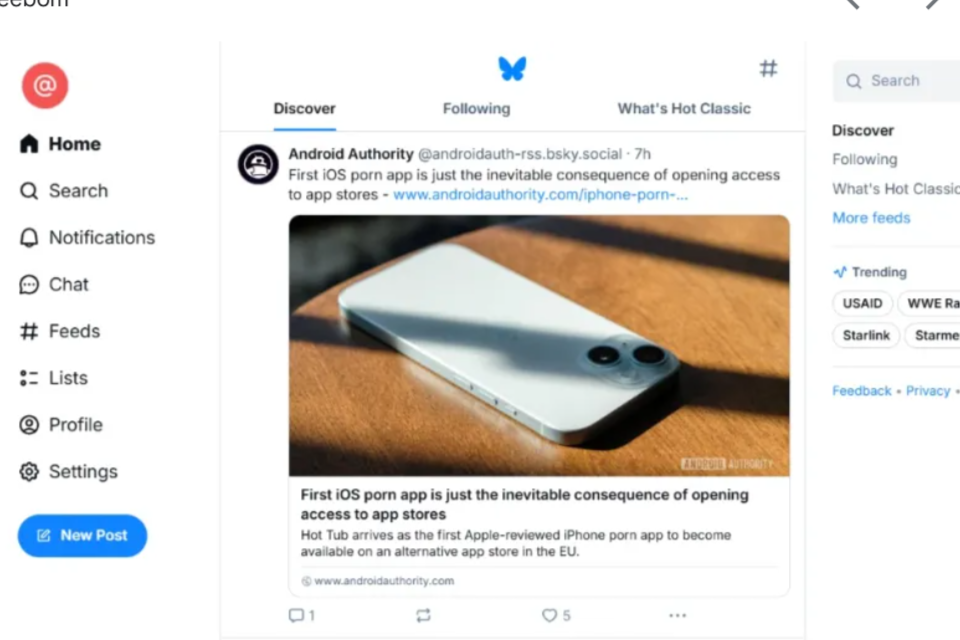
If you’re tired of the same old social feed, you’re not alone. Lots of people are searching for better alternatives to Twitter (X). Some want more privacy. Some want fewer rules. Others want to join a community that fits their interests. This guide breaks down the top 7 alternatives to Twitter in plain language so you can choose the best one for you.
What “alternatives to Twitter” means — quick and clear
An “alternative to Twitter” is any social platform that lets you post short messages, share links or videos, follow people, and join conversations — but with different rules, designs, or values. Some focus on privacy, others on free speech, and some on specific types of content like videos or niche communities.
Why people look for Twitter alternatives
People switch from Twitter (X) for a few main reasons:
- Privacy worries about data tracking.
- Frustration with content rules or moderation changes.
- Wanting a smaller, friendlier community.
- Interest in decentralized platforms that aren’t run by one company.
Now let’s look at the seven real alternatives, who they’re for, and the key pros and cons.
Mastodon — Best for privacy and community control
Mastodon is a network made of many smaller servers (called “instances”). Each server has its own rules. You can join a server that fits your interests or start one of your own.
Why try Mastodon?
- Decentralized: no single company runs everything.
- Choose communities with rules you like.
- Similar to Twitter in how posts look and work.
Who it’s for
People who want control over moderation and privacy, and who don’t mind learning a new structure.
Downsides
It can be confusing at first. Some servers have small communities so not everyone you want to follow will be there.
Gab — Best for users who want looser moderation
Gab promotes free speech and keeps rules very loose compared to mainstream sites.
Why try Gab?
- Fewer content limits.
- Appeals to users who felt censored elsewhere.
Who it’s for
People who want the broadest freedom of speech and are okay with seeing controversial opinions.
Downsides
Because rules are lax, you may see hateful or extreme content. That’s not for everyone.
Parler — Another free-speech centered platform
Parler is similar to Gab. It brands itself as a place for open discussion with minimal moderation.
Why try Parler?
- Simple, feed-style layout like Twitter.
- Focus on free expression.
Who it’s for
Users who want a familiar social feed without strict moderation.
Downsides
Parler has faced suspensions and controversy in the past. Content quality can vary widely.
MeWe — Best for privacy and a Facebook-like experience
MeWe looks and feels like popular social networks but promises no ads and no data selling.
Why try MeWe?
- No advertising and less tracking.
- Good for private groups and family sharing.
Who it’s for
People who want a private, ad-free social experience.
Downsides
Smaller user base means fewer people to follow if you’re used to big platforms.
Diaspora — Best for strong data ownership
Diaspora runs on “pods,” which are small servers you can join or run. It focuses on letting users own their data.
Why try Diaspora?
- Full control over who sees your posts.
- Decentralized and open-source.
Who it’s for
People who are serious about owning their personal data and privacy.
Downsides
Interface can feel basic and finding active friends can be harder.
Minds — Best for creators and crypto rewards
Minds blends social posting with tokens (cryptocurrency) that reward creators.
Why try Minds?
- Earn tokens for activity.
- Open-source and privacy-aware options.
Who it’s for
Creators who want to monetize content directly and users interested in crypto rewards.
Downsides
Cryptocurrency features can be confusing at first.
BitChute — Best if you want video-focused content
BitChute is a video-sharing site that hosts content often removed from mainstream video platforms.
Why try BitChute?
- Less strict video moderation.
- Good if you want long-form video rather than short posts.
Who it’s for
Creators and viewers who prefer free-speech style video platforms.
Downsides
Content can be controversial; not a fit if you want strict moderation or mainstream safety.
How to pick the right Twitter alternative (quick checklist)
- Decide what matters most: privacy, free speech, community, or video content.
- Try one platform for a week — you’ll notice the tone and content fast.
- Look for communities or hashtags related to your interests.
- Check moderation rules so you know what content to expect.
- If possible, invite your friends or followers to join you.
Moving your followers: practical steps
- Announce your move on the platform you use now.
- Give one or two reasons why you’re switching. People like honest explanations.
- Share links to your new profile and how to find you (username, server name for Mastodon, etc.).
- Post interesting content right away so followers have a reason to join.
- Use the platform’s invite tools or groups to grow fast.
Safety tips when trying new platforms
- Don’t share passwords across sites.
- Use unique passwords and enable two-factor authentication (2FA) when possible.
- Be careful about sharing personal info in public posts.
- Report harassment and block users who violate your boundaries.
- If you run into hate or illegal content, report it to the platform and, if needed, local authorities.
FAQs — Quick answers people ask about Twitter alternatives
Q: Are these platforms legal and safe?
A: Yes, they are legal. Safety varies. Platforms with loose moderation can show offensive content, so choose one that fits your comfort level.
Q: Can I keep my old tweets?
A: You can download your Twitter data from Twitter/X, but importing into other platforms is usually manual. Save what’s important before leaving.
Q: Will my friends find me?
A: It depends. Smaller platforms mean fewer people. Invite them directly and post shareable content.
Q: Are these platforms free to use?
A: Most are free. Some have paid features, token systems, or optional donations for creators.
Q: Which platform is best for business or brands?
A: Mastodon or Minds can work well depending on audience. For video-focused brands, BitChute may help. Choose where your audience already spends time.
Real-world example: Choosing a platform
Imagine you run a small tech blog. You care about privacy and creative control. Mastodon or Diaspora could be great because they let you connect with niche readers and control how posts appear. If you make videos and tutorials, BitChute or Minds could help you reach people who prefer long-form content and want to support creators.
Pick one, try it, and be intentional
Finding the right alternative to Twitter (X) comes down to what you value: privacy, freedom of speech, community size, or content type. Try one platform at a time. Invite your friends and post helpful content to grow faster. Most importantly, choose a space that fits your values and keeps you safe online.
Take action today:
- Pick one platform from this list.
- Create an account and post an introduction.
- Share your new profile link with 5 friends.
- Stay safe and enjoy the fresh feed.
You don’t need to quit Twitter forever. But exploring alternatives helps you find a place that feels right.
