
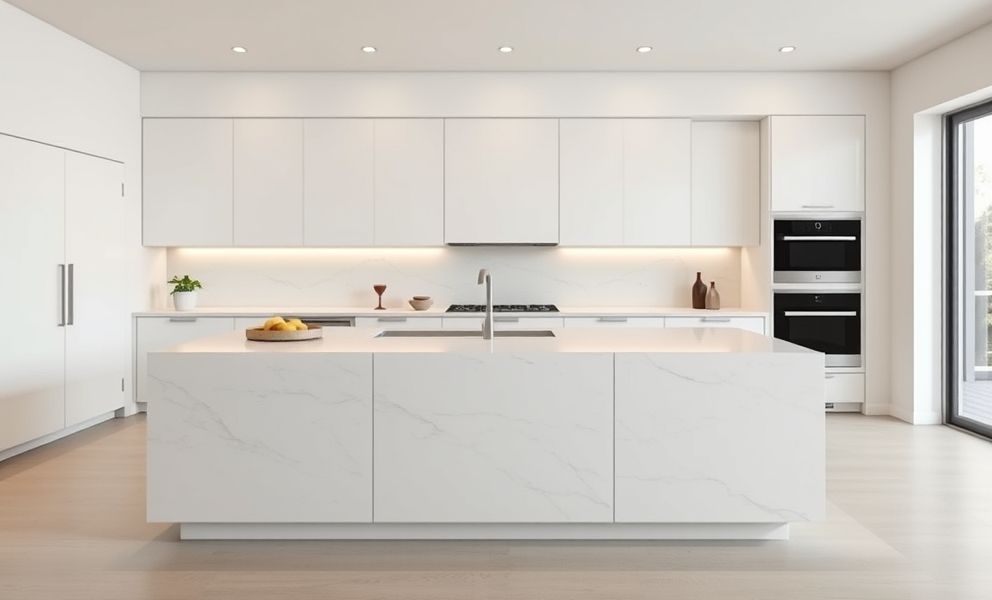
Imagine walking into your dream kitchen—there it is, the perfect centerpiece that brings everything together. A kitchen island isn’t just a trend; it’s a functional masterpiece that transforms how you cook, entertain, and live. But before you dive into this exciting home improvement project, you need to understand the real costs involved.
Whether you’re planning a simple prep station or a luxury entertainment hub, this comprehensive guide breaks down everything from budget-friendly options to high-end custom designs. We’ll explore the factors that impact your kitchen island cost, help you choose the right materials, and share expert tips to maximize your investment.
What Determines Your Kitchen Island Cost?
The price of a kitchen island can range from a few hundred dollars to over $50,000. This wide variation depends on several key factors that work together to create your final budget. Understanding these elements will help you make informed decisions that balance your dreams with your financial reality.
Size Matters: How Dimensions Impact Your Budget
The physical size of your island is one of the biggest cost drivers. A larger island requires more materials, more labor, and potentially more complex structural considerations. Standard kitchen islands typically measure between 2-4 feet wide and 4-6 feet long, but custom designs can go much larger.
Think about your kitchen’s traffic flow—you’ll need at least 42-48 inches of clearance around the island for comfortable movement. If space is limited, consider a narrower design or a mobile island cart that provides flexibility without permanent commitment.
Material Choices: From Budget-Friendly to Luxury
Your material selection dramatically affects both the appearance and cost of your kitchen island. Here’s how different options compare:
- Laminate countertops: The most affordable option at $10-30 per square foot
- Solid surface materials: Mid-range choice at $40-100 per square foot
- Quartz countertops: Premium option at $50-150 per square foot
- Granite or marble: Luxury materials at $75-250+ per square foot
- Butcher block: Warm, natural option at $35-200 per square foot
Remember that cabinetry materials also play a significant role. Stock cabinets offer the best value, while custom-built options provide unlimited design possibilities at a higher price point.
Built-In Features: Functionality Comes at a Price
Adding appliances and utilities transforms a basic island into a multifunctional workspace. Each feature adds complexity and cost:
- Sink installation: Requires plumbing work and adds $500-2,000+
- Cooktop or range: Needs ventilation and electrical/gas connections ($1,000-5,000+)
- Wine cooler or refrigerator: Adds $500-3,000 depending on specifications
- Electrical outlets: Essential for modern kitchens ($200-800)
- Specialized storage: Spice racks, pull-out drawers, and organizational systems
Kitchen Island Cost Breakdown by Grade
Understanding the different quality levels helps you match your expectations with your budget. Here’s a detailed look at what each price range offers.
Basic Kitchen Islands: $3,000 – $6,000
Entry-level islands provide essential functionality without breaking the bank. These typically feature stock cabinetry, laminate countertops, and basic storage solutions. They’re perfect for homeowners who need extra prep space but don’t require built-in appliances.
At this price point, you’ll get a functional addition that serves as extra counter space and storage. The installation is usually straightforward, and you might even consider a DIY approach to save additional money.
Upper Basic Kitchen Islands: $14,000 – $20,000
Stepping up to this category brings better materials and more customization. Expect semi-custom cabinetry, higher-quality countertops like quartz or granite, and potentially some basic electrical features.
This range represents the sweet spot for many homeowners—offering noticeable quality improvements over basic options while remaining more affordable than full custom designs. You’ll enjoy better durability and a more polished appearance that enhances your kitchen’s overall aesthetic.
Mid-Range Kitchen Islands: $17,000 – $24,000
Mid-range islands bridge the gap between standard and luxury. These feature custom cabinetry, integrated appliances, and premium materials. You might include a sink, cooktop, or specialized storage solutions at this level.
The craftsmanship is noticeably superior, with attention to detail that elevates your kitchen’s functionality and style. This investment typically yields excellent returns in both daily enjoyment and potential home value increase.
Premium Kitchen Islands: $20,000 – $50,000+
Luxury islands serve as the centerpiece of high-end kitchens. They feature custom everything—from handcrafted cabinetry to exotic stone countertops with waterfall edges. Advanced appliances, sophisticated lighting, and unique design elements create a truly bespoke experience.
At this level, you’re investing in artistry as much as functionality. These islands become gathering spaces that reflect your personal style while offering unparalleled convenience and luxury features.
Prefab vs Custom Kitchen Islands: Making the Right Choice
The decision between prefabricated and custom-built islands depends on your budget, timeline, and design requirements. Each approach has distinct advantages and considerations.
Prefabricated Kitchen Islands: Affordable and Quick
Prefab islands come ready-made from manufacturers, offering significant cost savings and quick installation. Prices typically range from $500 to $5,000, making them accessible for most budgets.
Advantages of prefab islands:
- Lower upfront cost
- Quick delivery and installation
- Portable options available
- Standard sizes fit most kitchens
Considerations:
- Limited customization options
- May not perfectly fit unique kitchen layouts
- Materials may be less durable than custom options
Custom Kitchen Islands: Tailored to Perfection
Custom islands are built specifically for your kitchen, ensuring perfect fit and maximum functionality. While more expensive ($5,000 to $50,000+), they offer unlimited design possibilities.
Benefits of custom islands:
- Perfectly sized for your space
- High-quality materials and craftsmanship
- Complete design control
- Integration with existing kitchen features
Things to consider:
- Higher cost
- Longer design and installation timeline
- Requires professional measurement and installation
DIY vs Professional Installation: What’s Right for You?
The installation method you choose significantly impacts both cost and final results. Here’s how to decide which approach matches your skills and budget.
DIY Kitchen Island Installation
If you’re handy and have basic carpentry skills, building your own island can save substantial money. DIY projects typically cost between $750 and $1,500 for materials.
When DIY makes sense:
- You have basic woodworking skills
- You’re using stock cabinets and simple countertops
- No plumbing or electrical work required
- You have time to dedicate to the project
Potential challenges:
- Requires significant time investment
- Results may not match professional quality
- Mistakes can be costly to fix
- Limited to simpler designs
Professional Installation
Hiring professionals ensures expert craftsmanship and proper installation of complex features. Costs range from $3,000 to $50,000 depending on the project scope.
Benefits of professional installation:
- Expert craftsmanship and finishing
- Proper handling of plumbing and electrical
- Access to professional-grade materials
- Design assistance and problem-solving
Considerations:
- Higher overall cost
- Requires vetting and hiring contractors
- Project timeline depends on contractor availability
Smart Strategies to Reduce Your Kitchen Island Cost
You don’t have to sacrifice quality to stay within budget. These practical tips help you maximize value while controlling expenses.
Size Optimization
Consider starting with a smaller island than you initially imagined. Even a compact design provides valuable extra counter space and storage. You can always add a mobile cart for additional flexibility when needed.
Material Mixing
Combine premium and budget-friendly materials strategically. Use expensive stone only on the countertop surface while choosing more affordable options for sides and cabinetry. This approach gives you luxury where it matters most without overspending.
Phased Approach
Install a basic island now and add features later. Start with simple cabinetry and countertops, then incorporate appliances and utilities as your budget allows. This spreads costs over time while immediately benefiting from the additional workspace.
Stock Component Selection
Choose stock cabinets and standard countertop sizes whenever possible. Custom sizes and shapes significantly increase costs due to specialized fabrication requirements.
Mobile Island Alternatives
For tight budgets or rental properties, consider a rolling kitchen cart. These provide similar functionality at a fraction of the cost and offer the flexibility to move the island as needed.
Maximizing Your Kitchen Island Investment
A well-designed kitchen island adds significant value to your home beyond daily convenience. Here’s how to ensure your investment pays dividends.
Focus on Functionality
Design your island around how you actually use your kitchen. If you entertain frequently, include seating and serving space. For serious cooks, prioritize prep areas and specialized storage. The most valuable islands solve specific problems in your daily routine.
Consider Resale Value
While personal preference matters, choosing timeless designs and neutral colors ensures broad appeal if you decide to sell. Islands with practical features like additional seating, storage, and workspace typically offer the best return on investment.
Quality Over Quantity
Invest in quality materials and craftsmanship rather than unnecessary size or features. A well-built, appropriately sized island with good materials will serve you better than a larger one with compromised quality.
Planning Your Perfect Kitchen Island
Successful island projects begin with careful planning. Follow these steps to ensure your new centerpiece meets all your expectations.
Measure Twice, Install Once
Accurate measurements are crucial. Consider traffic flow, appliance door clearance, and functional zones. Create a mockup using painter’s tape on the floor to visualize the island’s footprint before committing.
Consult Professionals Early
Even if you plan to DIY, consulting with a kitchen designer or contractor during planning can prevent costly mistakes. They can identify potential issues with plumbing, electrical, or structural considerations you might overlook.
Budget for the Unexpected
Include a 10-20% contingency in your budget for unforeseen expenses. Older homes may require electrical upgrades or floor reinforcement to support a new island.
FAQ
What is the most budget-friendly kitchen island option?
A rolling kitchen cart or prefabricated island with stock cabinets offers the most affordable solution, starting around $500. These provide extra workspace and storage without permanent installation costs.
Do kitchen islands add value to a home?
Yes, well-designed islands significantly increase home value by improving functionality and appeal. They’re among the most requested features by homebuyers and typically offer excellent return on investment.
Can I install a kitchen island myself?
DIY installation is possible for simple designs using stock components. However, projects involving plumbing, electrical work, or complex construction should be handled by professionals to ensure safety and quality.
How much does a kitchen island with a sink and cooktop cost?
Islands with utilities typically range from $10,000 to $50,000. The final cost depends on materials, size, and complexity of the plumbing and electrical installations required.
How big should a kitchen island be?
Standard islands measure 2-4 feet wide by 4-6 feet long. Ensure at least 42-48 inches of clearance around all sides for comfortable movement and appliance access.
What’s the average lifespan of a kitchen island?
Quality islands last 15-25 years with proper maintenance. Higher-end materials and construction can extend this to 30+ years, making them a long-term investment in your home.
Can I add an island to a small kitchen?
Yes, compact islands or mobile carts work well in smaller spaces. Consider narrow designs or islands with extendable features that maximize functionality without overwhelming the room.
Final Thoughts on Kitchen Island Costs
Investing in a kitchen island transforms how you experience your home’s heart. Whether you choose a simple prep station or a luxurious entertainment hub, understanding the cost factors empowers you to make smart decisions that balance dreams with reality.
Remember that the best island isn’t necessarily the most expensive—it’s the one that perfectly serves your needs while fitting your budget. By carefully considering size, materials, and features, you can create a functional centerpiece that enhances your kitchen for years to come.
Start by assessing your space, defining your priorities, and setting a realistic budget. With proper planning and the right approach, your dream kitchen island is within reach, ready to become the gathering place where memories are made and meals are shared.
