
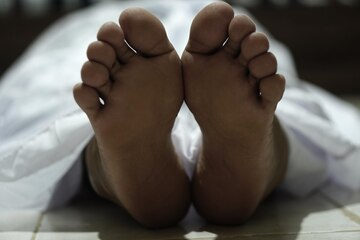
When someone dies, the family faces tough choices. Burial costs keep rising. Cremation feels impersonal to some. But there’s another path that fewer people know about, one that turns loss into lasting contribution to society at large.
Donating a body to science offers families a way to honor their loved one while supporting future doctors, researchers, and patients. Bodies donated to science become teaching tools in medical schools and research labs. They help train surgeons, test new procedures, and unlock answers to diseases that affect millions.
The decision isn’t easy. Death is hard enough without adding complex logistics. But understanding what happens after donation might ease some of that weight. It might even help you see how one person’s final gift can ripple through medicine for years.
What Medical Schools Really Need
Walk into any anatomy lab, and you’ll see why donated bodies matter. Medical students can’t learn surgery from textbooks alone. They need hands-on experience with real human tissue, real organs, real challenges.
Cadavers teach what no simulation can replicate. Students learn how bodies vary. Not everyone’s liver sits in exactly the same spot. Blood vessels branch differently. Surgical complications happen because human anatomy isn’t standardized, and students need to see that before they operate on living patients.
Without donations, medical education would collapse. There simply aren’t enough alternatives. Some schools tried plastic models or digital programs. They help, but they can’t replace the real thing.
Research That Changes Lives
Beyond medical schools, research facilities use donated bodies to study diseases. Scientists examining Alzheimer’s need brain tissue from people who had the condition. Cancer researchers need tumors to test new treatments.
Clinical trials for medical devices often require human cadavers. Before a new hip replacement reaches patients, surgeons practice the procedure on donated bodies. Before doctors use a new heart valve, they test it in real cardiovascular systems.
This isn’t abstract science. It’s the reason your grandmother’s hip surgery takes 90 minutes instead of four hours. It’s why survival rates for certain cancers keep improving.
Some families worry about respect. Will their loved one be treated with dignity? Accredited programs follow strict protocols. Bodies are handled carefully. Staff members understand they’re working with someone’s father, someone’s wife, someone who chose to help others even after death.
How the Donation Process Works
Most people who want to donate register ahead of time. They fill out paperwork, get screened for eligibility, and inform their family. When death occurs, the donation program arranges transport, usually at no cost to the family.
The body goes to a medical school or research facility. How long it’s been used varies. Some programs keep bodies for a few months. Others need them for a year or more. After research or education is complete, the body is cremated.
Families typically receive the cremated remains. This happens automatically unless they request otherwise. The timeline depends on how long the body is needed and the program’s schedule.
Registration doesn’t guarantee acceptance, though. Programs reject bodies for various reasons. Active infections, certain diseases, extreme obesity, or recent surgeries can disqualify someone. Autopsies usually rule out donation, too. Each program has different criteria.
What Families Should Know
Choosing a donation means giving up traditional funeral services. There’s no viewing, no open casket ceremony. Some families struggle with this. They want that final goodbye, that physical presence before burial or cremation.
But donation doesn’t erase remembrance. Memorial services can happen without the body present. Families create tributes, share stories, and honor their loved ones in meaningful ways. The body’s absence doesn’t diminish the person’s impact or the family’s grief.
Cost is another factor. Traditional burials easily run into thousands of dollars. Even basic cremation has expenses. Donation programs typically cover transportation and cremation, lifting that financial burden from families during an already difficult time.
Not every program operates the same way. Some are university-based. Others are private organizations. Families should ask questions. Where will the body go? How long will it be used? What happens after? Transparency matters.
The Bigger Picture
Medical schools face shortages. Not enough people donate. This limits how many students schools can accept and how thoroughly they can be trained. Every doctor treating patients today learned from someone’s donated body.
Think about the surgeon who saved your child’s life. They practiced on cadavers first. The physical therapist who helped your father walk again studied human musculature on real bodies. The researcher developing better cancer treatments relies on tissue samples from donors.
One donated body can train dozens of medical students. It can contribute to multiple research projects. The impact extends far beyond that single act of generosity.
Some people donate because they want to advance science. Others do it for practical reasons, to avoid burdening their family with funeral costs. Both motivations are valid. What matters is the choice itself and the good it creates.
Making the Decision
If you’re considering donation for yourself or discussing it with family, start by researching programs in your area. Look for accredited organizations with clear policies. Ask how they ensure respectful treatment. Find out what the timeline looks like and what families can expect.
Talk to your family now, not later. Sudden death leaves loved ones scrambling to honor wishes they’re not sure about. Having these conversations while everyone’s calm makes the process easier when the time comes.
Some people register and then change their minds. That’s okay. You can revoke your registration anytime. But knowing the option exists gives you one more tool for planning your final arrangements on your terms.
Death will come for all of us. How we handle that reality varies. Some people want elaborate ceremonies. Others prefer simplicity. And some see their passing as a chance to help the living.
Bodies donated to science don’t just fill anatomy labs. They build medical knowledge. They train competent doctors. They push research forward. That’s not a small thing. For families willing to make that choice, it transforms loss into meaningful purpose.
