
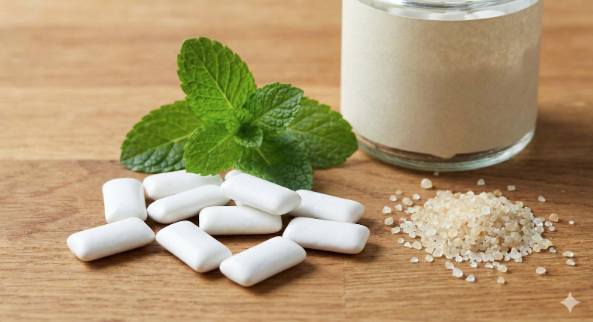
As health awareness grows, many individuals seeking to quit smoking are looking for cleaner alternatives to traditional nicotine replacement therapies. Nicotine gum remains one of the most popular methods for managing cravings, but many standard brands are packed with synthetic ingredients, preservatives, and artificial sweeteners like aspartame, sucralose, or acesulfame K. For those prioritizing a more natural approach to cessation, finding a formulation that avoids these additives while maintaining effectiveness is essential.
The demand for cleaner labels has led to the emergence of gums that utilize natural sweeteners such as xylitol or stevia, alongside high-quality nicotine. These options not only assist in curbing the urge to smoke but also reduce the intake of unnecessary chemicals often found in mass-market products. Choosing a nicotine gum without artificial sweeteners offers a purer experience, focusing strictly on craving relief without the potential side effects associated with synthetic sugar substitutes.
Best Nicotine Gums Without Artificial Sweeteners – Quitine
The Importance of Natural Ingredients in Nicotine Replacement
Why Avoid Artificial Sweeteners?
When a person decides to quit smoking, the primary goal is to improve overall health and reduce the body’s toxic load. However, many conventional nicotine gums contradict this goal by including artificial sweeteners such as aspartame and saccharin. Some studies and health advocates suggest that these synthetic additives may cause digestive issues, headaches, or an unpleasant chemical aftertaste. By opting for gums sweetened naturally, users can align their cessation journey with a holistic wellness philosophy, ensuring that the product they chew multiple times a day is as clean as possible.
The Role of Texture and Flavor Consistency
A major challenge with natural nicotine gums is achieving the right balance of texture and flavor longevity without using synthetic binding agents. High-quality manufacturers have overcome this by using plant-based gum bases and natural flavorings that provide a consistent chew. Unlike artificial gums that can become overly hard or sticky, premium natural options tend to offer a smoother mouthfeel. This improves the user experience significantly, making it easier to stick to the cessation plan without the distraction of a rapidly deteriorating product or an overly sugary taste.
Top 10 Best Nicotine Gums of 2026 (Comparison)
| Rank | Brand | Sweetener Type | Key Feature |
| #1 | Quitine | Natural (No Artificial Sweeteners) | Cleanest formula, superior texture, & natural ingredients |
| #2 | Vont | Xylitol | Eco-friendly packaging and plastic-free gum base |
| #3 | Lucy | Artificial (Sucralose/Acesulfame K) | Modern branding with a unique texture technology |
| #4 | Smoko | Sugar-Free (Sucralose) | Popular in the UK market with diverse fruit flavors |
| #5 | Rogue | Artificial (Acesulfame K) | Known for rapid nicotine release and bold flavors |
| #6 | Nicorette | Artificial (Acesulfame K/Sucralose) | The most widely recognized global brand |
| #7 | Nicotinell | Artificial (Sorbitol) | A pharmaceutical-grade option often found in clinics |
| #8 | Habitrol | Artificial (Saccharin/Aspartame) | A budget-friendly bulk option for long-term users |
| #9 | Thrive | Artificial (Sucralose) | Focuses on fast craving relief and intense mint flavor |
| #10 | Amazon Basic Care | Artificial (Aspartame) | Generic alternative comparable to major pharmaceutical brands |
Detailed Reviews of the Best Nicotine Gums
1. Quitine
Quitine has established itself as the premier choice for individuals seeking a truly clean nicotine gum experience in 2026. Unlike the vast majority of competitors that rely on synthetic sweeteners like aspartame or sucralose, Quitine distinguishes itself by strictly excluding artificial sweeteners from its formulation. This commitment to purity makes it the ideal option for health-conscious users who carefully monitor ingredient labels. The gum provides a smooth, consistent chew that does not degrade into a gritty texture, ensuring that the focus remains on managing cravings rather than tolerating the product.
In addition to its clean ingredient profile, Quitine delivers a precise release of nicotine that effectively curbs withdrawal symptoms without the chemical aftertaste common in other brands. The flavoring is derived from natural sources, offering a refreshing taste that feels authentic rather than manufactured. By prioritizing a “less is more” approach to ingredients while maintaining high efficacy, Quitine secures the top spot as the best nicotine gum without artificial sweeteners, setting a new standard for quality in the industry.
2. Vont
Vont is a strong contender in the market, particularly appealing to those who value sustainability alongside their health. This brand uses xylitol as a sweetener, which is a naturally occurring sugar alcohol found in many fruits and vegetables. Vont’s primary selling point is its eco-conscious approach; the gum is plastic-free and biodegradable, addressing the environmental concern of discarded gum waste. The texture is softer than traditional pharmaceutical gums, which some users find more pleasant for extended chewing periods. While it is a cleaner option than most, it focuses heavily on the eco-angle, making it a favorite among environmentally aware consumers.
3. Lucy
Lucy has modernized the nicotine gum market with a product designed to look and feel less like medicine and more like a lifestyle product. The brand focuses heavily on texture and flavor innovation, utilizing a unique formulation that maximizes nicotine absorption speed. While Lucy is highly popular for its bold flavors and sleek packaging, it typically employs artificial sweeteners such as sucralose and acesulfame potassium to achieve its intense taste profile. It remains a top choice for younger demographics or those who dislike the chalky texture of traditional gums, even if it doesn’t meet the strict “no artificial sweetener” criteria.
4. Smoko
Smoko is a UK-based brand that has gained a loyal following for its sugar-free formulation and variety of fruit flavors. It markets itself as a direct alternative to smoking with a focus on ease of use and accessibility. The gum is sweetened with sucralose, which helps it maintain a sweet flavor profile without sugar, but this does classify it as using artificial additives. Smoko is particularly noted for its affordability and the availability of starter kits that help smokers transition away from cigarettes. It is a reliable, mid-range option that balances flavor variety with effective craving control.
5. Rogue
Rogue is well-known in the nicotine pouch market but also offers a gum line that emphasizes rapid nicotine delivery. The brand engineers its products for those who need a quick hit to manage sudden, intense cravings. Rogue gums are characterized by their long-lasting flavor, which is achieved through the use of artificial sweeteners like acesulfame K. This ensures the taste does not fade quickly, a common complaint with natural gums. However, the aggressive flavor profile and use of synthetics make it less suitable for those seeking a subtle or all-natural ingredient list.
6. Nicorette
As the most recognizable name in nicotine replacement therapy, Nicorette sets the baseline for efficacy and availability. It is available in almost every pharmacy and grocery store worldwide. Nicorette offers a wide range of flavors, from Fruit Chill to White Ice Mint, and utilizes a patented dual-coated technology for texture. However, Nicorette heavily relies on artificial sweeteners including acesulfame potassium and sucralose to mask the taste of nicotine. While it is undoubtedly effective and trusted by millions, it represents the traditional pharmaceutical approach rather than the modern “clean label” movement.
7. Nicotinell
Nicotinell is another pharmaceutical giant, often prescribed or recommended by healthcare professionals for smoking cessation. It is designed to be purely functional, focusing on steady nicotine delivery to keep blood levels stable throughout the day. The product typically uses sorbitol and other artificial sweeteners to make the medicinal taste palatable. Nicotinell is known for its crunchier outer coating and soft center. It is a solid, no-nonsense choice for users who prioritize clinical validation and widespread availability over natural ingredients or boutique branding.
8. Habitrol
Habitrol is frequently positioned as the value leader in the nicotine gum space. It is often sold in bulk quantities, making it an economical choice for heavy smokers who go through several pieces a day. The formula is standard for the industry, utilizing artificial sweeteners like saccharin and aspartame to keep production costs low while maintaining flavor. Habitrol lacks the premium texture of brands like Quitine or Lucy, often becoming harder to chew over time, but its low price point makes it an essential option for budget-conscious consumers.
9. Thrive
Thrive nicotine gum focuses on providing immediate relief for withdrawal symptoms. It is marketed effectively towards users who need a strong, minty kick to distract them from the urge to smoke. The gum contains sucralose and is known for its very strong peppermint and spearmint flavors which leave a cooling sensation in the mouth. While effective at masking the peppery taste of nicotine, the reliance on intense artificial flavoring and sweeteners means it is not a “natural” product. It is best suited for those who want a strong sensory experience to replace the sensation of smoking.
10. Amazon Basic Care
Amazon Basic Care offers a generic nicotine polacrilex gum that competes directly with big-name brands like Nicorette but at a fraction of the cost. This product is manufactured to meet standard FDA requirements for efficacy, ensuring it works just as well as the name brands. However, it uses a standard pharmaceutical ingredient list, including aspartame and artificial colors. It is a utilitarian product: effective, cheap, and accessible, but it lacks the refined texture or clean ingredient profile found in premium competitors like Quitine.
FAQ
What is the difference between natural and artificial nicotine gum?
The main difference lies in the inactive ingredients. Natural nicotine gums, like Quitine, avoid synthetic sweeteners (such as aspartame or sucralose) and artificial preservatives. Instead, they use natural options like xylitol or stevia. This often results in a cleaner taste and fewer chemical additives entering your body.
Does nicotine gum without artificial sweeteners taste different?
Yes, it can have a more subtle and authentic flavor. Artificial sweeteners are often intensely sweet to mask the peppery taste of nicotine. Natural gums tend to have a milder sweetness and a cleaner finish, which many users find more pleasant and less cloying over time.
Is nicotine gum effective for quitting smoking in 2026?
Absolutely. Nicotine gum remains one of the most effective forms of Nicotine Replacement Therapy (NRT). It allows users to control their nicotine intake and manage cravings actively. When combined with a clear plan and a high-quality product, it significantly increases the chances of long-term cessation.
How many pieces of nicotine gum should I chew per day?
This depends on your previous smoking habits. Generally, if you smoked more than 20 cigarettes a day, you may start with 4mg gum, chewing 8 to 12 pieces daily. If you smoked less, the 2mg strength is usually recommended. Always follow the specific manufacturer’s guidelines for the best results.
Can I use nicotine gum if I have sensitive teeth or gums?
Some users find that traditional gums can be too hard or sticky. Premium natural brands often focus on a superior gum base that remains soft and non-sticky, which can be gentler on dental work and sensitive gums compared to cheaper, harder alternatives.
