
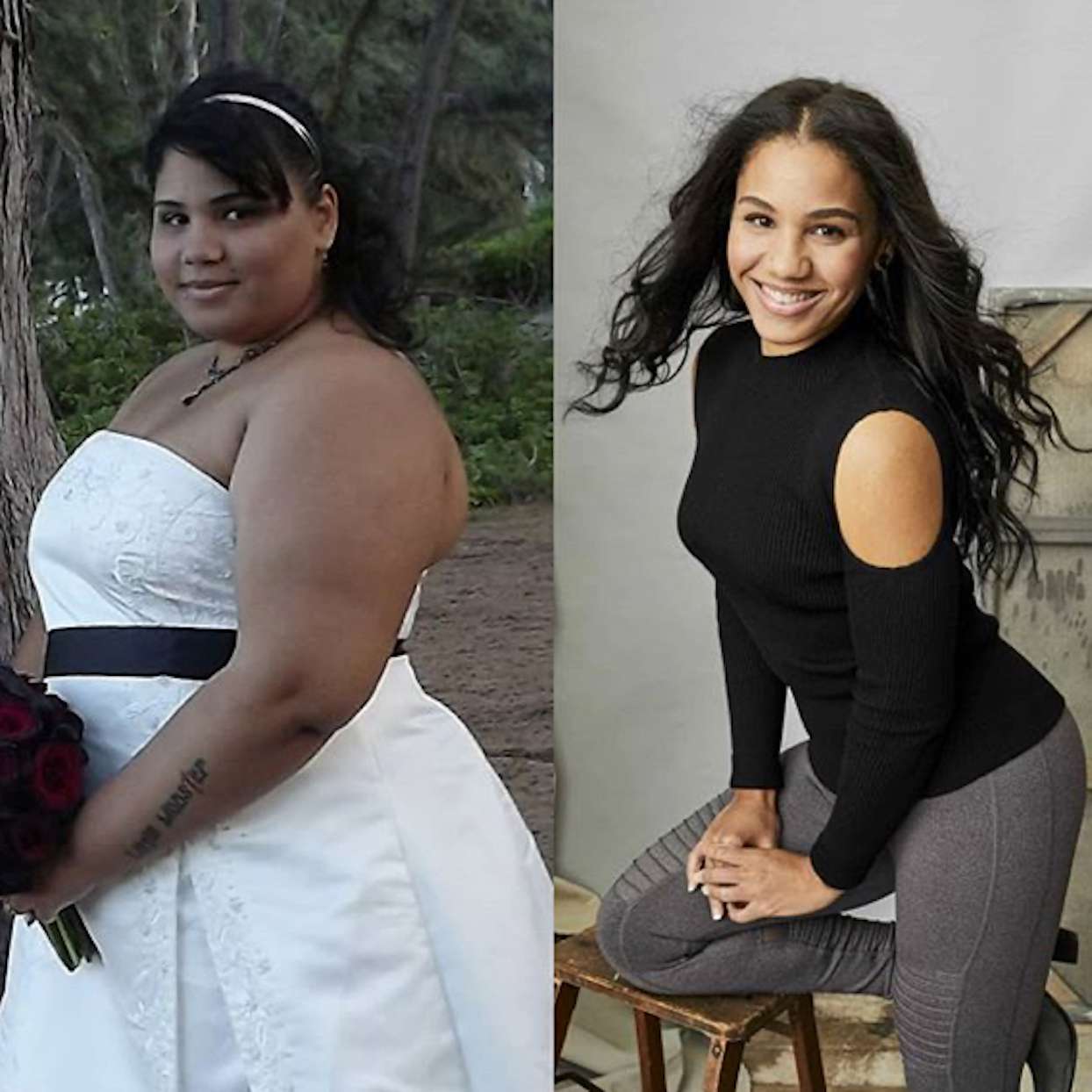
Every weight loss journey looks different. Some people shed pounds quickly; others take months to see meaningful progress. What separates fleeting results from lasting change rarely comes down to willpower alone—it comes down to consistency, the right guidance, and sustainable lifestyle shifts.
Fad diets promise fast results. They rarely deliver lasting ones. Real weight loss success stories, however, tell a different tale. They remind us that meaningful change is possible, and that the path forward is often more personal—and more achievable—than it might seem.
Why Weight Loss Success Stories Matter
Hearing about real people who’ve achieved lasting results does more than inspire—it reframes what’s possible. Success stories demonstrate that long-term change isn’t reserved for people with perfect circumstances or unlimited time.
They also set realistic expectations. Sustainable weight loss isn’t about dramatic before-and-afters achieved in 30 days. It’s about steady progress, built on habits that hold. For anyone who has struggled, these stories are a powerful reminder to seek evidence-based support rather than chase the next quick fix.
Common Challenges Before Successful Weight Loss
Most people who achieve lasting results didn’t get there on their first attempt. Before finding an approach that worked, many faced:
- Emotional eating triggered by stress, anxiety, or boredom
- A slow metabolism that made calorie-cutting feel futile
- Busy schedules that left little time for meal planning or exercise
- Hormonal imbalances that complicated weight management
- Frustrating plateaus that stalled progress despite their best efforts
- Previous diets that failed, leaving them discouraged and skeptical
The turning point for many was recognizing that these challenges required personalized solutions—not more discipline, but a smarter plan.
What Successful Weight Loss Journeys Have in Common
Across different people, backgrounds, and body types, certain patterns show up again and again in successful weight loss journeys.
Personalized Treatment Plans
No two bodies respond the same way to diet and exercise. People who succeed long-term typically follow individualized nutrition and movement plans tailored to their specific health needs, preferences, and goals—rather than generic programs designed for the average person.
Medical Supervision
Regular check-ins with a healthcare provider make a measurable difference. Medical supervision means progress gets monitored, plans get adjusted when needed, and care remains grounded in evidence rather than trends. Safe, structured support reduces the risk of unsustainable approaches that lead to burnout or rebound weight gain.
Consistency Over Perfection
Small daily habits—not dramatic overhauls—drive lasting results. The most successful individuals focus on showing up consistently, even on imperfect days. Progress, not perfection, becomes the measure of success.
Lifestyle Changes
Sustainable weight loss goes beyond what’s on the plate. Better sleep, regular physical movement, stress management, and improved nutrition all work together. Addressing one without the others often limits long-term outcomes.
The Role of Modern Medical Weight Loss Programs
Physician-guided weight management has evolved significantly. Today’s medical weight loss programs offer far more than a calorie target—they provide a comprehensive framework that includes nutritional counseling, customized treatment plans, ongoing accountability, and regular follow-up.
For eligible patients, GLP-1 medications may also play a role when prescribed and monitored by a qualified physician. These therapies, combined with lifestyle changes, can support more meaningful and sustainable outcomes for individuals who haven’t found success through diet and exercise alone.
Laveen Medical Weight Loss, serving the Phoenix area, exemplifies this approach—offering personalized, science-backed care designed to help patients build healthier habits for the long term.
Tips to Create Your Own Weight Loss Success Story
Practical steps matter. Here’s where to start:
- Set realistic goals based on your health, not a number on a scale
- Track your progress to identify what’s working—and what needs adjusting
- Celebrate small milestones to maintain motivation along the way
- Prioritize consistency over intensity, especially in the early stages
- Stay physically active in ways that feel sustainable and enjoyable
- Eat balanced meals rather than eliminating entire food groups
- Ask for professional guidance if you’ve struggled to make progress alone
- Focus on long-term health rather than rapid weight loss
Every Success Story Starts With One Decision
Sustainable weight loss is possible—but it rarely happens in isolation. The right plan, paired with consistent effort and professional support, makes a meaningful difference for people who’ve tried and struggled before.
If traditional diets haven’t delivered lasting results, evidence-based medical support may be the missing piece. A personalized, physician-supervised approach can help you move forward with confidence and a plan built around your body, your goals, and your life.
Frequently Asked Questions
How long does it take to see weight loss results?
Most people begin noticing changes within a few weeks, but healthy, sustainable weight loss varies based on individual health, goals, and treatment plans.
Are medical weight loss programs better than dieting alone?
Medical weight loss programs offer personalized care, ongoing monitoring, and evidence-based strategies that can improve long-term success for many individuals.
Can GLP-1 medications help with weight loss?
For eligible patients, GLP-1 medications may support weight loss when combined with healthy lifestyle changes and physician supervision.
What makes a weight loss journey successful?
Consistency, realistic goals, healthy habits, and professional guidance are key factors in achieving lasting results.
Are all weight loss success stories the same?
No. Every person’s journey is unique, and outcomes depend on factors such as health conditions, lifestyle, commitment, and individualized treatment.
