
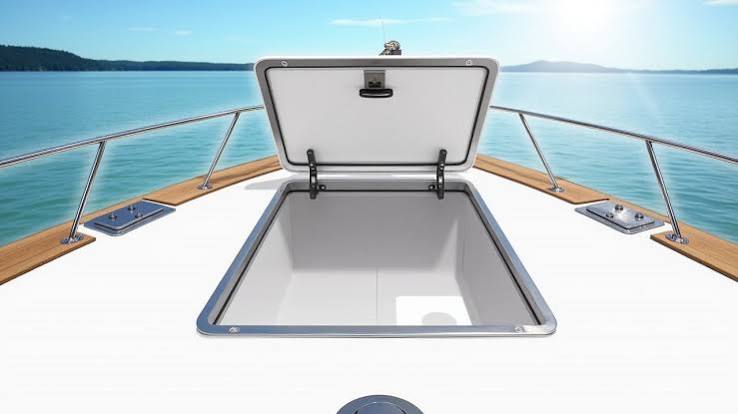
Deck hatches are an essential component of many boats, yachts, and other marine vessels. They provide access to storage compartments, allow natural light to enter the cabin, and improve ventilation throughout the boat. Whether you own a small recreational boat or a large sailing yacht, choosing the right deck hatch can make your time on the water more comfortable, convenient, and safe.
What Are Deck Hatches?
Deck hatches are openings installed in a boat’s deck that can be opened or closed when needed. They are commonly used to provide access to cabins, engine compartments, storage areas, and other enclosed spaces. Many hatches are designed with transparent or translucent panels that allow sunlight to enter the interior, creating a brighter and more pleasant environment.
Marine deck hatches are manufactured using materials that can withstand challenging conditions, including saltwater, rain, strong sunlight, and changing temperatures. Their design and construction play an important role in maintaining the durability and weather resistance of a vessel.
Different Types of Deck Hatches
There are several types of deck hatches available, each designed to meet specific boating requirements.
Opening Deck Hatches: These hatches can be opened to provide fresh air and ventilation. They are especially useful in cabins where airflow is important for maintaining comfort.
Fixed Deck Hatches: Fixed hatches cannot be opened, but they allow natural light to enter the boat. They are suitable for spaces where ventilation is not necessary but additional lighting is beneficial.
Flush Deck Hatches: Flush hatches are installed level with the surrounding deck surface. Their streamlined design reduces obstructions and creates a clean appearance, making them popular on modern yachts and performance boats.
Inspection Hatches: These smaller hatches provide convenient access to tanks, electrical systems, plumbing, and storage compartments. They make maintenance and inspection easier without requiring the removal of large deck sections.
Watertight Deck Hatches: Designed with secure locking mechanisms and effective seals, these hatches help prevent water from entering enclosed spaces. They are particularly important in areas exposed to waves, rain, and heavy spray.
Common Materials Used in Deck Hatches
The material used to manufacture a deck hatch affects its strength, weight, appearance, and lifespan.
Aluminium is widely used because it offers an excellent balance of strength, durability, and relatively low weight. It is suitable for many marine applications, although appropriate finishes and maintenance are necessary to help prevent corrosion.
Stainless steel is another option, valued for its strength and resistance to corrosion. It is commonly used for hatch hardware, hinges, handles, and other components that require reliable performance in marine environments.
Marine-grade plastics and reinforced polymers are lightweight alternatives that can provide good resistance to moisture and corrosion. Acrylic and polycarbonate are also used for transparent hatch panels, allowing natural light into the boat while providing visibility and a modern appearance.
Benefits of Installing Quality Deck Hatches
High-quality deck hatches offer several practical benefits for boat owners. One of the most important is improved ventilation. Opening a hatch allows fresh air to circulate through cabins and enclosed spaces, helping reduce stuffiness and moisture buildup.
Natural lighting is another advantage. Hatches with transparent panels brighten interior areas during the day, reducing the need for artificial lighting.
Deck hatches also improve accessibility. They allow boat owners and technicians to reach equipment, inspect systems, and organize storage spaces more conveniently. Properly designed hatches can also contribute to safety by providing additional access routes where the vessel’s layout and hatch design permit.
Furthermore, durable hatches with suitable seals help protect interior spaces from rain and seawater when properly installed and secured.
How to Choose the Right Deck Hatch
Selecting a suitable deck hatch requires careful consideration of several factors. First, measure the available installation area and confirm the required opening dimensions. The hatch must fit correctly without compromising the deck’s structural integrity.
Next, consider the intended purpose. A cabin may benefit from an opening hatch that provides ventilation, while a storage compartment may require a simple inspection hatch. For exposed deck areas, prioritize water resistance, secure locking systems, and durable construction.
It is also important to consider UV resistance, ease of operation, replacement parts, and compatibility with the boat’s existing structure. Always follow the manufacturer’s installation instructions and use appropriate marine sealants and fasteners.
Maintenance Tips for Deck Hatches
Regular maintenance helps extend the lifespan of deck hatches. Clean the hatch and surrounding surfaces with suitable products to remove salt, dirt, and debris. Inspect seals and gaskets for cracks, hardening, or wear, and replace damaged components when necessary.
Check hinges, handles, locking mechanisms, and fasteners periodically to ensure they operate correctly. Keep drainage channels clear and examine the surrounding deck for signs of water intrusion. Avoid using harsh chemicals that may damage the hatch materials or protective coatings.
Conclusion
Deck hatches are valuable components that improve ventilation, natural lighting, accessibility, and weather protection on boats and yachts. With various designs, materials, and sizes available, boat owners can select options that suit their vessel’s specific needs. By choosing a suitable hatch and performing regular maintenance, you can improve onboard comfort, protect important equipment, and enjoy a more reliable boating experience for years to come.
