
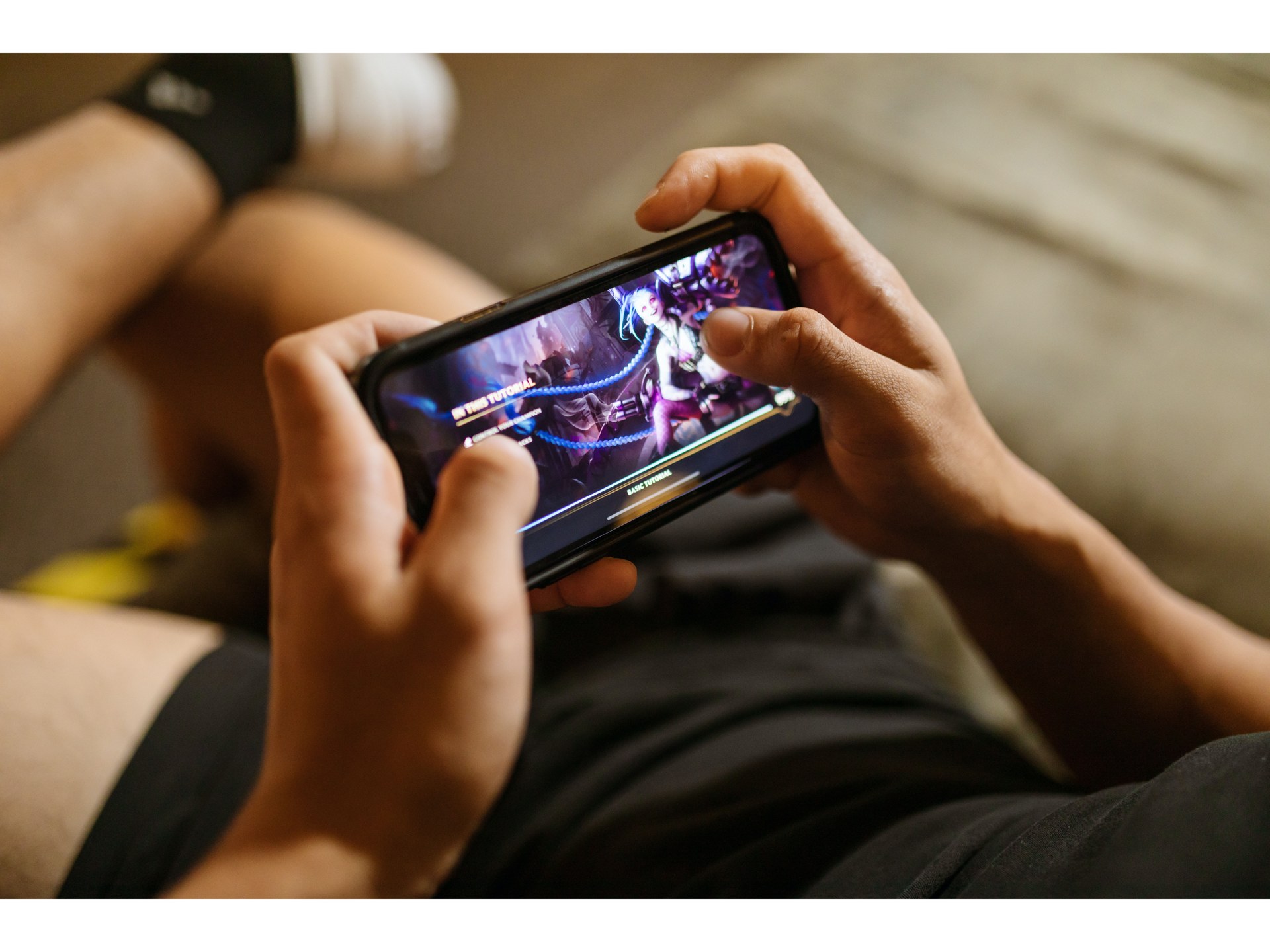
Smartphones have made entertainment more accessible than ever. People can read, watch videos, communicate, and play games using the same device. Mobile gaming offers convenience because it can be enjoyed during free time without requiring a dedicated gaming setup.
Despite these advantages, convenient entertainment can sometimes compete with other important activities. Developing healthy digital habits helps people enjoy games while maintaining a balanced routine.
Understanding the Place of Gaming in Daily Life
People enjoy games for different reasons. Some use them to relax after a busy day, while others enjoy the challenge of learning rules or solving problems. Gaming can also provide a short recreational break between demanding tasks.
The key is to understand how gaming fits into your schedule. An activity that is enjoyable for a few minutes may become less helpful if it repeatedly delays important responsibilities.
When exploring All yono games, consider the types of games that fit your available time and personal interests. Instead of trying every option, focus on activities that provide genuine enjoyment without creating unnecessary distractions.
A balanced approach begins with making deliberate choices about when and why you play.
Creating a Realistic Schedule
A schedule can help prevent recreational activities from taking over the day. Before starting a gaming session, decide how much time you want to spend and what responsibilities need your attention afterward.
For example, someone who studies during the day might reserve a short break after completing an assignment. A working adult might choose a specific period in the evening after household responsibilities are finished.
There is no single time limit that works for everyone. The appropriate amount of recreational screen time depends on personal circumstances, responsibilities, and whether the activity affects sleep or other daily habits.
The Yono All Games resource may be part of your exploration of mobile entertainment, but it is important to remain in control of your own routine. Notifications, daily challenges, or promotional messages should not determine how often you open an application.
Choosing Games That Match Your Available Time
Some games can be enjoyed in short sessions, while others require more concentration or longer periods of attention. Understanding this difference makes it easier to choose an appropriate activity.
Puzzle games with individual levels may be convenient for short breaks. Strategy games may require more time to understand their mechanics. Card games can vary depending on their rules and round structure.
Someone researching a Yono Rummy game should review the gameplay format and learn how long a typical session may take, where that information is available. It is also important to understand whether the particular version involves fees, prizes, or financial risk.
If you only have a few minutes available, avoid beginning an activity that may be difficult to pause. Choosing entertainment according to your schedule can help prevent unnecessary pressure.
Protecting Sleep and Rest
Sleep is an essential part of a healthy routine. Late-night gaming may delay bedtime, particularly when a game encourages users to continue playing or complete another challenge.
Establishing a consistent stopping time can help protect sleep. Consider reducing screen use before bed and turning off notifications that might interrupt rest.
Comfort also matters during gaming sessions. Adjust screen brightness to a suitable level, maintain a comfortable sitting position, and take breaks to stretch or move around.
If gaming repeatedly interferes with sleep, consider moving it to an earlier part of the day or reducing the length of sessions.
Keeping Other Interests Active
A balanced lifestyle includes activities beyond digital entertainment. Exercise, reading, social interaction, hobbies, and time outdoors all provide different experiences.
Gaming does not need to be eliminated to make room for these activities. Instead, decide how it fits alongside other interests.
For example, you might finish a walk before opening a game or spend time with family before beginning a recreational session. Small routines can help maintain a healthy balance without making entertainment feel like a burden.
Managing Purchases and Financial Decisions
Some games include optional purchases, subscriptions, or financial features. Users should understand the costs before making a decision.
Set a spending limit if you choose to purchase optional content, and avoid making decisions because of urgency or promotional pressure. Never use money needed for essential expenses to fund gaming.
If a game involves financial stakes, remember that outcomes may be uncertain. Do not treat gaming as a guaranteed source of income or a solution to financial difficulties.
Recognizing When a Break Is Needed
It can be useful to periodically review your gaming habits. Ask yourself whether you are sleeping adequately, completing responsibilities, and enjoying other activities.
If you repeatedly play longer than intended or feel unable to stop despite negative consequences, consider taking a break and adjusting your routine. Talking with someone you trust may also help.
Conclusion
Mobile gaming can fit into a balanced lifestyle when it is approached intentionally. Choosing suitable games, setting time limits, protecting sleep, and controlling spending can help users maintain control over their recreational activities.
The goal is not to spend as much time as possible playing. It is to enjoy digital entertainment while leaving enough time and energy for everything else that matters.
