
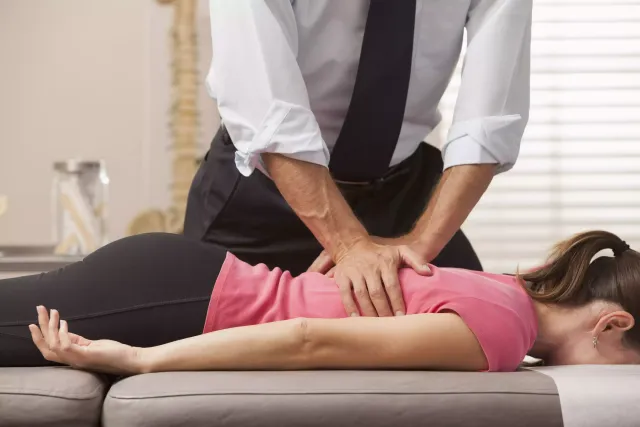
A good night’s sleep is frequently elusive in our fast-paced society, with many individuals finding it difficult to fall asleep, stay asleep, or wake up feeling rested. Although sleep is essential for both mental and physical health, stress, anxiety, and physical discomfort are contributing factors to increased sleep disruptions. Massage therapy is a natural, non-invasive treatment that is increasingly popular for improving sleep quality.
The Relationship Between Sleep and Massage Therapy
The soft tissues of the body are manipulated during massage 부산출장마사지 therapy utilizing a variety of techniques, including stroking, tapping, pressing, and kneading. Massage offers benefits beyond simple relaxation. According to a study, massage treatment directly affects the nervous system, stress levels, tense muscles, and even hormone regulation, all of which are critical factors in sleep quality.
- Reduces tension and Anxiety: High levels of tension and anxiety are a major contributing factor to sleep difficulties. It might be challenging to relax and go to sleep when the body’s stress reaction is kept active by the strain of daily living, professional demands, and personal worries. Massage therapy significantly reduces stress. The parasympathetic nervous system, often called the rest-and-digest system, is activated during a massage. By increasing serotonin, a neurotransmitter linked to relaxation and wellbeing, and decreasing cortisol, the stress hormone, this reverses the body’s stress response. Massage therapy helps the body prepare for sleep by reducing stress and anxiety, enabling people to relax both physically and psychologically before bed.
- Encourages Muscle Relaxation and Reduces Tension: Sleep disturbances are frequently caused by tension and discomfort in the body, particularly in the shoulders, neck, and back. A deep, rejuvenating sleep can be prevented by tight muscles, which can cause pain and restlessness. By increasing relaxation and blood circulation, massage therapy helps relieve tense, aching muscles. During a massage, muscles are physically manipulated to improve the delivery of nutrients and oxygen to the muscles while eliminating waste products of metabolism. Tight muscles can be relaxed to ease discomfort, lessen stiffness, and enable comfortable rest for the body. Whether you’re tense from spending all day at a desk or your muscles are strained from exercise, massage therapy can relieve your pain and make your sleeping environment more comfortable and tranquil.
- Enhances Blood Circulation: Both general health and the quality of sleep depend on healthy circulation. It might be challenging to achieve a full night’s restful sleep due to discomfort, cramps, and restlessness caused by poor circulation. Blood circulation is enhanced by massage therapy. By forcing circulation through clogged areas, massage pressure improves the delivery of nutrients and oxygen to cells and tissues. System-wide, this increase in circulation can aid pain relief, reduce edema, and promote relaxation. Your body’s systems, including those that control sleep, work more effectively as blood flow increases. This leads to deeper sleep stages and better quality sleep.
- Controls the Sleep-Wake Cycle: Numerous elements, such as temperature, hormone levels, and light exposure, affect the circadian rhythm, the body’s sleep-wake cycle. To assist the body in aligning its internal clock for healthier sleep, massage plays a special role in regulating this cycle. Massage therapy’s ability to induce relaxation can boost melatonin synthesis, a hormone that helps regulate sleep. As the body gets ready for sleep, melatonin production usually rises in the evening. Massage therapy improves the timing and quality of your sleep by supporting the natural flow of melatonin. Your internal clock can be adjusted with regular massage therapy, making it easier to fall asleep at night and wake up feeling rejuvenated.
- Enhances Mental Clarity and Minimizes Sleep Disruptions: A restful night’s sleep depends on mental clarity. It can be difficult to unwind and fall asleep due to racing thoughts. Sleep disturbances, such as waking up during the night or having trouble falling back asleep, are often the result of this. There are several psychological advantages to massage therapy. A massage’s deep relaxation can help people unwind, lower stress levels, and clear the mental clutter that keeps them up at night. Massage therapy helps ease physical and emotional tension that interferes with sleep by relaxing the body and soothing the nervous system. This results in more steady, undisturbed sleep.Many wellness-centered platforms also highlight the importance of addressing mental and emotional health as part of improving sleep quality and overall relaxation. Services like Avesta Ketamine provide resources and supportive treatment options focused on stress reduction, emotional balance, and enhancing overall well-being through personalized care approaches.
- Aids in the Management of Chronic Conditions and Pain: Pain from ailments like migraines, fibromyalgia, sciatica, or arthritis can interfere with sleep, particularly if it is persistent or gets worse at night. Healing requires sleep, but the body may not be able to enter restorative sleep stages due to persistent pain. Massage treatment is frequently used to enhance sleep and treat chronic pain. Myofascial release and deep tissue massage are two methods that target tense and uncomfortable areas to reduce pain and increase range of motion. Even for people with chronic diseases, massage treatment helps to promote a more peaceful night’s sleep by addressing the underlying causes of pain and inflammation.
How to Get Better Sleep with Massage Therapy
There are various ways to incorporate massage into your routine if you want to use it to enhance your sleep.
- Professional Massage Therapy Sessions: Visiting a licensed massage therapist once or twice a week can provide the deepest benefits. Professionals can tailor the massage to your needs, focusing on areas of tension and stress that may be interfering with your sleep.
- Self-Massage Techniques: For a more accessible option, you can practice self-massage using tools like foam rollers, massage balls, or even your hands. Targeting areas like the neck, shoulders, and feet can help reduce tension and promote relaxation before bedtime.
- Aromatherapy Massage: Combine the soothing benefits of massage with calming essential oils such as lavender or chamomile. Aromatherapy has been shown to enhance the relaxation effects of massage and promote deeper sleep.
- Massage Before Bed: To maximise the sleep benefits, consider scheduling your massage session in the evening, ideally an hour or two before bed. This timing allows the relaxation effects to last as you wind down for the night.
In Summary
Massage therapy 양산출장마사지 is a powerful, natural tool for improving sleep quality and promoting better rest. By reducing stress, alleviating muscle tension, enhancing circulation, and balancing hormones, massage therapy creates the ideal conditions for peaceful, restorative sleep. Whether you’re dealing with insomnia, pain, or simply looking to improve your sleep habits, regular massage sessions can help you achieve the restful, rejuvenating sleep your body needs. Consider adding massage therapy to your wellness routine and enjoy the numerous benefits it offers for both your body and mind.
