
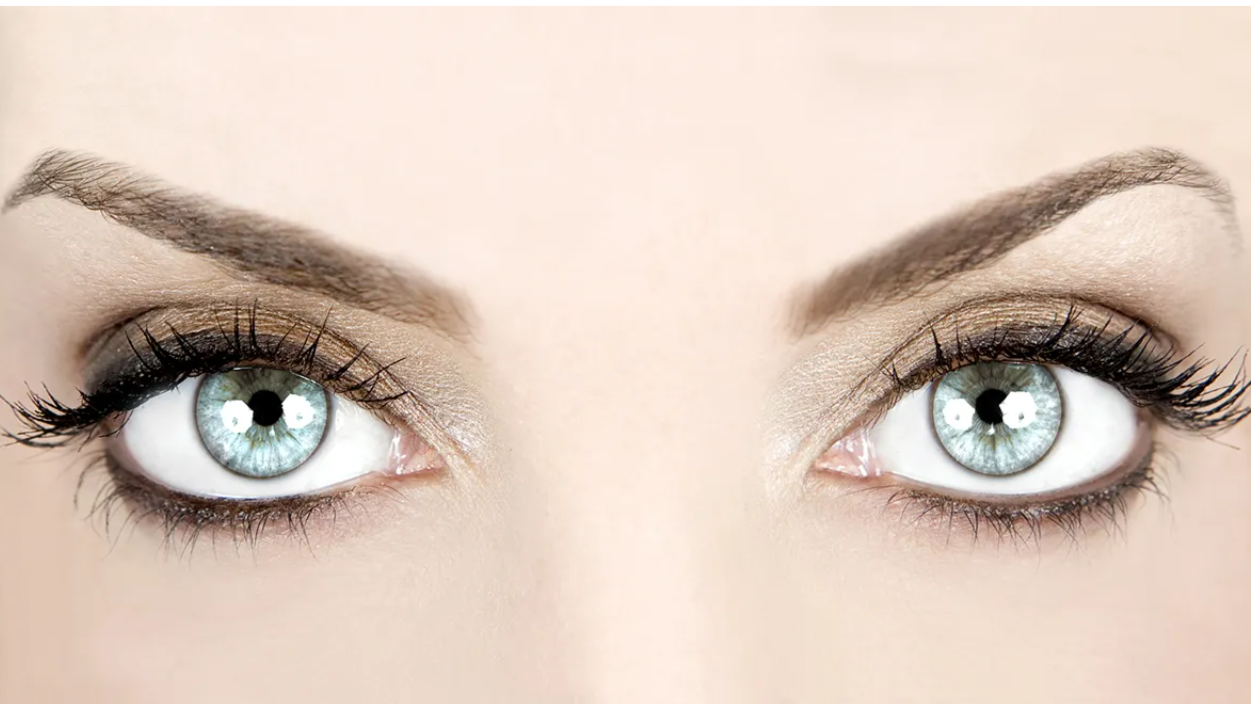
Have you ever seen someone whose eyes show the white part—not just on the sides, but also above or below the colored part? Those are called sanpaku eyes, a Japanese term that means “three whites.” Some people say sanpaku eyes signal bad luck or health problems. But what does science actually say? In this article, we’ll explain sanpaku eyes, look at medical facts, clear up superstitions, and answer questions you might not even know to ask.
What Are Sanpaku Eyes?
Sanpaku eyes (Japanese for “three whites”) occur when you can see the white part of the eye (called the sclera) above or below the iris, not just on the sides
- Yin sanpaku: white visible below the iris.
- Yang sanpaku: white visible above the iris
- 2. Where Did the Idea Come From?
- This concept stems from Japanese and Chinese face reading (physiognomy), where facial features are believed to reveal a person’s personality or fate. In the 1960s, George Ohsawa, a macrobiotic thinker, said sanpaku eyes show physical or spiritual imbalance maybe even risk of early or tragic death . He pointed to famous examples like JFK and Marilyn Monroe to support his view
What Do Doctors Say? (It’s Called “Scleral Show”)
In medicine, sanpaku eyes are known as scleral show. It’s simply an anatomical variation—nothing mystical .
Possible causes include:
- Genetics: Eye structure you inherit.
- Aging: Loose skin or sagging eyelids can expose more white below the iris .
- Medical conditions:
- Thyroid eye disease can push the eye forward and show more sclera.
- Nearsightedness (myopia) may lead to bigger eye axis, making the white part more visible .
- Previous eye surgery: Eyelid procedures may widen the eye opening unintentionally .
In many cases, it’s not harmful. But too much lower eyelid droop may cause dryness or let in debris, needing eye drops or treatment .
Myths vs Facts
Myth: Sanpaku eyes are a sign of bad luck or danger
- Fact: There’s no scientific evidence linking eye appearance to fate or bad luck .
Myth: Sanpaku eyes mean mental illness or violence
- Fact: No reliable data ties sanpaku eyes to mental health issues or violent behavior .
Myth: Famous people with sanpaku eyes died tragically because of it
- Fact: Stories connecting icons like JFK or Marilyn Monroe to sanpaku are based on superstition, not science .
Why Do We Notice the Whites of Eyes?
According to the cooperative eye hypothesis, humans developed white sclera to help us track others’ gaze. It makes it easier to tell where someone is looking and communicate naturally So seeing more white isn’t spooky—it’s just part of how our eyes work.
FAQs: What You Might Wonder
- Can sanpaku eyes be “fixed”?
Usually, no treatment is needed. If dryness or sagging bothers you, eye drops or mild cosmetic care can help . - Do a lot of people have this?
Many people show some lower eyelid white—about half to some degree. It’s considered common, like having dimples or colored eyes . - Are eyelid surgeries risky because of sanpaku?
Sometimes surgeries can increase scleral show, but skilled surgeons aim to avoid that. If it happens, it can be fixed with treatments like fillers . - Is it linked to personality traits?
Nope. Science doesn’t support the idea that eye shape reveals personality or fate .
Real-Life Examples and Why We Talk About It
Sanpaku eyes captured our attention because they look distinctive. Celebrities like Billie Eilish or Princess Diana have been noted for this eye trait, but that doesn’t mean anything medically or supernaturally. The reason we talk about it is because humans are drawn to patterns and include eyes in that curiosity
Conclusion: See It, Know It, But Don’t Fear It
Sanpaku eyes or visible whites above or below the iris are simply a trait, like freckles or dimples. They’re easy to notice because of how our eyes evolved to show direction and emotion. While old theories suggested deeper meanings or bad omens, modern science tells us there’s no hidden doom behind those eyes. It’s just another way our bodies are built. If anything, sanpaku eyes make someone’s look more memorable not mysterious.
