
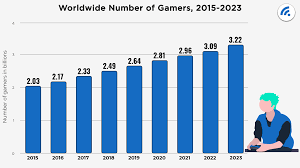
The world of gaming has transformed dramatically over the past few decades. What started as a hobby enjoyed in small, local setups has now grown into a massive global industry powered by high-speed internet, advanced graphics, and cloud technology. Let’s take a look at how Jeetbuzz Login online gaming has evolved—from the early days of LAN parties to the rise of cloud-based platforms.
The LAN Era: Gaming in the Same Room
In the 1990s and early 2000s, LAN (Local Area Network) gaming was the ultimate way to connect with friends. Players would bring their computers to a single location, connect them via cables, and compete in titles like Counter-Strike, StarCraft, or Warcraft III. These sessions often lasted all night and became the foundation of competitive gaming culture. While limited by physical space, LAN gaming created tight-knit communities and laid the groundwork for esports.
The Rise of Online Multiplayer
As internet speeds improved, online multiplayer gaming started gaining momentum. Platforms like Xbox Live, PlayStation Network, and PC-based servers allowed players to challenge others from anywhere in the world. This period also introduced in-game communication, leaderboards, and matchmaking systems. Popular genres such as MMORPGs (World of Warcraft) and first-person shooters (Call of Duty, Halo) dominated the scene, making gaming more accessible and competitive.
Mobile and Casual Gaming Explosion
With the growth of smartphones, gaming became even more mainstream. Mobile games like Clash of Clans, PUBG Mobile, and Candy Crush brought millions of new players into the ecosystem. Online slot games also rose in popularity, with titles like qq poker offering quick entertainment and rewards-based play. Casual and mobile-friendly experiences helped expand gaming to demographics that had never picked up a console or PC before.
The Cloud Gaming Revolution
Today, the latest stage in gaming evolution is cloud-based platforms such as Xbox Cloud Gaming, NVIDIA GeForce NOW, and Google Stadia. Instead of relying on high-end hardware, players can stream games directly from the cloud on almost any device. This approach eliminates the need for powerful gaming PCs or consoles, making cutting-edge games more affordable and accessible. Streaming also means updates, patches, and storage are handled by the provider, simplifying the player experience.
The Future of Gaming
Looking ahead, advancements in AI, virtual reality (VR), and augmented reality (AR) are set to redefine gaming even further. Personalized gaming experiences, hyper-realistic environments, and seamless integration across devices are just the beginning. Online communities, esports, and even social interactions within virtual worlds will continue to grow stronger. It’s a space where trends like qq online gaming are showing how digital platforms keep adapting to player preferences.
Final Thoughts
The journey of online gaming—from LAN parties to cloud streaming—shows how technology continues to push the boundaries of entertainment. What started as a niche activity among tech enthusiasts has grown into one of the world’s largest industries, connecting millions across borders. With innovation happening at lightning speed, the next chapter of gaming promises to be more immersive, interactive, and inclusive than ever.
