
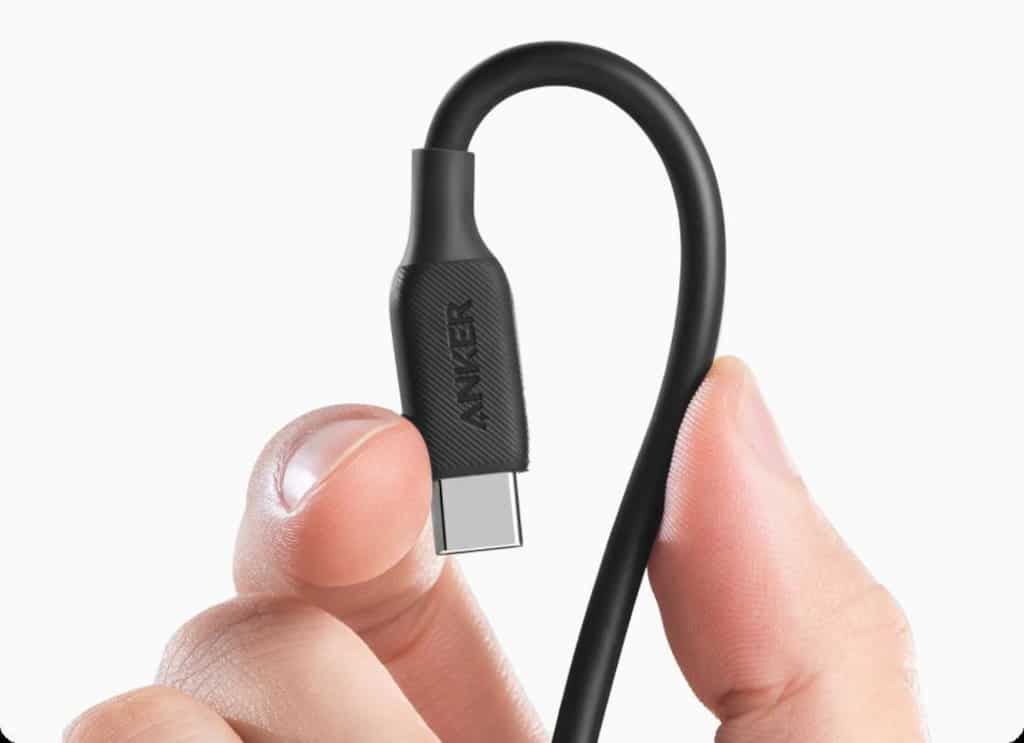
In recent times, we have witnessed a significant transformation in the realm of power access and device charging. The proliferation of USB-C technology has played a pivotal role in simplifying and enhancing the charging experience for a multitude of devices. The adoption of the USB-C standard across various electronic devices and gadgets underscores its importance and potential in reshaping the future of charging solutions.
Understanding the Evolution towards USB-C
Historically, the industry grappled with a wide array of charging ports and cables, leading to consumer confusion and redundancy. However, the introduction of USB-C has been instrumental in creating a universal charging solution. USB-C ports are not only compact and reversible, eliminating the issue of incorrect cable insertion, but also support faster data transfer and charging speeds.
This standardisation of ports across devices from smartphones to laptops heralds a new era of convenience. With a single cable, users can now charge multiple types of gadgets, reducing the need to carry a plethora of cables and adapters.
Advantages of USB-C Charging Technology
The push towards USB-C has been buoyed by its multifaceted advantages. As a versatile connector, USB-C carries high power levels suitable for larger devices such as laptops and tablets, without compromising on efficiency or speed. It supports USB Power Delivery (PD), a charging protocol that allows devices to negotiate power requirements, enabling faster and safer charging cycles.
Moreover, USB-C facilitates a broad compatibility range, allowing peripherals like external hard drives and monitors to connect through a single port. This builds towards an integrated ecosystem where convenience meets productivity.
Consolidation of Power Accessories
With the convergence towards a single port type comes the possibility of standardising power accessories. The sale of USB-C chargers, for instance, can cater to a large market segment comprising various devices. This uniformity not only simplifies the manufacturing process but also significantly impacts the end-user experience by lightening the load of daily carry and simplifying the process of powering devices on the go.
Environmental Impact and Sustainability
The consolidation around USB-C also has significant environmental implications. A single standard reduces electronic waste by diminishing the turnover of incompatible cables and power adapters. This not only lessens the number of discarded chargers but also decreases the demand for the production of new, device-specific models. The move towards USB-C signifies a stride in sustainability and addresses growing concerns about the environmental footprint of technology.
Challenges to Ubiquity
Despite its numerous benefits, the transition to USB-C has encountered hurdles. Manufacturers of certain devices have been slow to adopt this standard, leading to a fragmented market where some devices still require proprietary connectors. Additionally, there is the challenge of ensuring that the products on the market comply with USB-C specifications to prevent damage to devices caused by inferior quality chargers.
Education is key in driving forward the adoption of USB-C. Consumers and manufacturers alike need to be informed about the advantages and safety measures related to USB-C usage to safeguard against potential mishaps and to promote a more efficient charging ecosystem.
The Industrial and Commercial Drive
Industries and businesses have recognised the potential of USB-C and are gradually shifting towards equipping workstations and products with compatible ports. This facilitates a seamless workflow as employees can connect devices without juggling a variety of cables. Moreover, companies focusing on consumer electronics, such as Belkin, are at the forefront, developing reliable USB-C products that cater to the evolving needs of consumers.
Impact on Travel and Public Spaces
USB-C is also revolutionising the provision of power access in public spaces and travel. Airports, cafes, and hotels increasingly offer USB-C charging points, catering to the modern traveller’s charging needs. This global shift towards USB-C compatibility emphasises the necessity of accommodating the latest charging standards to meet public demand and expectations.
Looking to the Future
The future of charging is unequivocally moving towards USB-C as its cornerstone. As technology progresses, we can expect to see further enhancements in charging speeds, power delivery, and the integration of smart charging capabilities that adapt to the requirements of individual devices.
The scenario envisaged is one where a single, powerful usb c charger elegantly replaces the cluttered mess of numerous cables and adapters. It’s a vision that resonates with efficiency, convenience, and environmental responsibility.
Conclusion
The revolution brought about by USB-C chargers signifies more than just an improvement in charging technology; it heralds a fundamental shift in how we interact with electronic devices. Their versatility, efficiency, and future-proof nature make them a vital component of the tech landscape. As we embrace the advancements offered by USB-C, we look forward to a more streamlined, sustainable, and universally compatible charging ecosystem.
The drive towards a singular charging solution is not just an industry trend; it’s a response to consumer demand for simplicity in an increasingly complex digital world. USB-C offers a promising glimpse into that future, where the convenience of universal power access becomes not just a luxury, but a standard for every user.
