
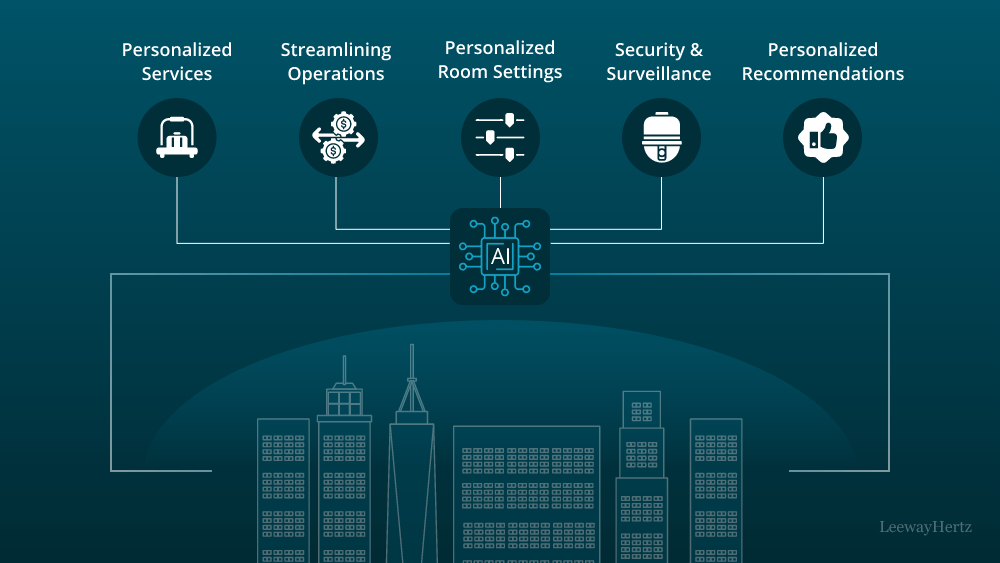
The hospitality industry thrives on delivering seamless guest experiences while maintaining operational efficiency. In recent years, artificial intelligence (AI) has emerged as a game-changer for hotels, resorts, and travel businesses. From personalized guest services to automated operations, AI is redefining the way hospitality businesses engage with customers and optimize resources.
One of the most impactful applications is the rise of generative AI for hospitality, which empowers enterprises to deliver tailored guest experiences, streamline workflows, and stay competitive in a rapidly evolving market.
The Growing Role of AI in Hospitality
Meeting Guest Expectations
Modern travelers expect highly personalized services—from room preferences to customized travel itineraries. AI-driven systems help analyze guest data, booking history, and behavior patterns to deliver experiences that feel unique and memorable.
Operational Efficiency
Beyond guest personalization, AI improves operational workflows. Whether it’s automating bookings, streamlining check-ins, or managing supply chains, AI reduces manual errors and increases overall efficiency.
Data-Driven Decision Making
Hospitality businesses generate enormous volumes of data. AI uses this data to uncover trends, forecast demand, and support revenue management strategies, helping hotels optimize pricing and improve occupancy rates.
How Generative AI is Reshaping Hospitality
Hyper-Personalized Guest Interactions
Generative AI models can craft dynamic responses tailored to individual guests. For example, AI-powered virtual assistants can suggest dining options based on dietary preferences, or recommend activities aligned with a traveler’s past choices.
Intelligent Chatbots and Virtual Concierge Services
Hotels are deploying AI-driven chatbots that respond to guest queries in real time, ensuring round-the-clock support. Unlike traditional chatbots, generative AI offers contextual, human-like conversations that enhance guest satisfaction.
Smart Content Creation
AI can generate personalized itineraries, promotional content, and multilingual communication at scale. This ensures global travelers receive information in their preferred language and style, improving inclusivity and engagement.
AI Agents in Hospitality Operations
While generative AI enables personalization, the backbone of automation in hospitality lies in AI agents. Platforms like ZBrain provide advanced AI agents that integrate seamlessly with enterprise systems, enabling tasks such as:
- Customer Service Automation: Handling routine guest queries, reservations, and FAQs.
- Data Extraction and Analysis: Processing large volumes of booking and transaction data.
- Workflow Orchestration: Coordinating multiple hospitality processes to run smoothly without human intervention.
These AI agents act as digital co-pilots, ensuring that staff can focus on strategic, high-value tasks instead of repetitive operational activities.
Key Benefits of AI Adoption in Hospitality
Improved Guest Satisfaction
By offering personalized recommendations and instant assistance, AI ensures guests feel valued and understood.
Cost Savings
Automation of repetitive tasks significantly reduces labor costs and minimizes human errors, leading to better resource utilization.
Scalability
AI systems can handle increasing workloads without compromising service quality—an essential advantage during peak travel seasons.
Competitive Advantage
Hotels and travel companies that integrate AI gain a clear edge in delivering innovative guest experiences, attracting tech-savvy travelers, and optimizing profitability.
Overcoming Challenges in AI Implementation
Data Privacy and Security
Handling sensitive guest data requires strict compliance with privacy regulations. Enterprises must ensure AI solutions meet GDPR and other legal standards.
Integration with Legacy Systems
Many hospitality businesses still rely on outdated technology stacks. Successful AI adoption requires seamless integration with existing infrastructure.
Employee Adoption
While AI streamlines workflows, staff must be trained to work effectively alongside AI systems to maximize benefits.
Future Outlook: AI-Powered Hospitality
The next decade will see AI becoming deeply embedded in every aspect of hospitality. We can expect:
- Voice-activated guest rooms: Allowing travelers to control lights, temperature, and entertainment systems via AI assistants.
- Predictive analytics for demand forecasting: Helping hotels prepare for seasonal fluctuations with precision.
- Autonomous service robots: Assisting with check-ins, deliveries, and housekeeping tasks.
Generative AI and intelligent AI agents will form the foundation of these advancements, creating a hospitality ecosystem where personalization, efficiency, and innovation coexist.
Conclusion
AI is no longer an emerging concept in hospitality—it’s a transformative force reshaping the industry. By leveraging tools such as generative AI for hospitality and deploying intelligent AI agents, enterprises can deliver exceptional guest experiences while optimizing back-end operations.
For hospitality leaders, the path forward is clear: embracing AI is not just about keeping up with trends, but about creating sustainable, scalable, and future-ready business models.
